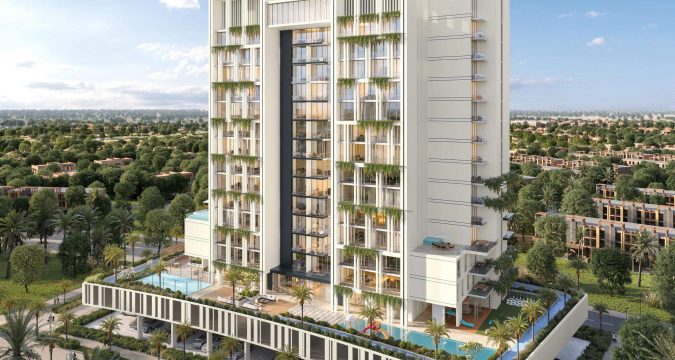
Concrete jungles expand faster than tree canopies. Each new tower leaves ecological footprints on water, air, and soil. Construction debris fills landfills while energy-hungry buildings strain power grids. This growth brings progress but also pressure on natural systems. Forward-thinking Dubai real estate development now tackles these environmental costs head-on.
Land changes and natural spaces:
Construction needs land, and this can remove trees, plants, and open green areas. Animals may lose places to live, while natural beauty can slowly disappear. Careful site planning helps protect valuable green spaces and reduces damage to the local environment. Leaving room for parks, gardens, and natural plants supports cleaner air and creates pleasant outdoor areas for everyone to enjoy.
Reducing construction waste:
Building projects create wood pieces, metal scraps, concrete remains, and other waste. Large amounts of unused materials can fill waste sites and harm the environment. Better planning helps builders use materials wisely and lower waste from the very beginning. Recycling useful items and selecting long-lasting materials also reduces unnecessary rubbish while supporting cleaner construction practices.
Saving water every day:
Construction activities and finished buildings can use large amounts of water. Poor water use may place extra pressure on local supplies. Water-saving taps, rainwater collection systems, and efficient watering methods help lower daily water use. Careful planning also protects nearby rivers, lakes, and underground water from pollution caused by building work.
Using energy in better ways:
Buildings use electricity every day for lighting, cooling, heating, and equipment. High energy use increases pollution from energy production. Good insulation, energy-saving lights, and natural daylight help reduce electricity use. Modern building designs also improve airflow, reducing the need for constant cooling. These practical choices lower energy costs while helping the environment.
Cleaner air during construction:
Dust, heavy machines, and transport vehicles can lower air quality during building work. Poor air quality affects nearby residents and workers. Regular dust control, cleaner equipment, and proper maintenance help reduce harmful emissions. Planting trees and green plants near completed projects also supports cleaner air while creating pleasant surroundings for local communities.
Planning for a greener future:
Environmental care should remain an important part of every building project. Builders, planners, and property owners all share responsibility for protecting natural resources. Choosing eco-friendly materials, protecting green spaces, reducing waste, and saving water and energy all support healthier communities. Thoughtful planning today creates buildings that serve people while respecting nature.